
18 9 月, 2025
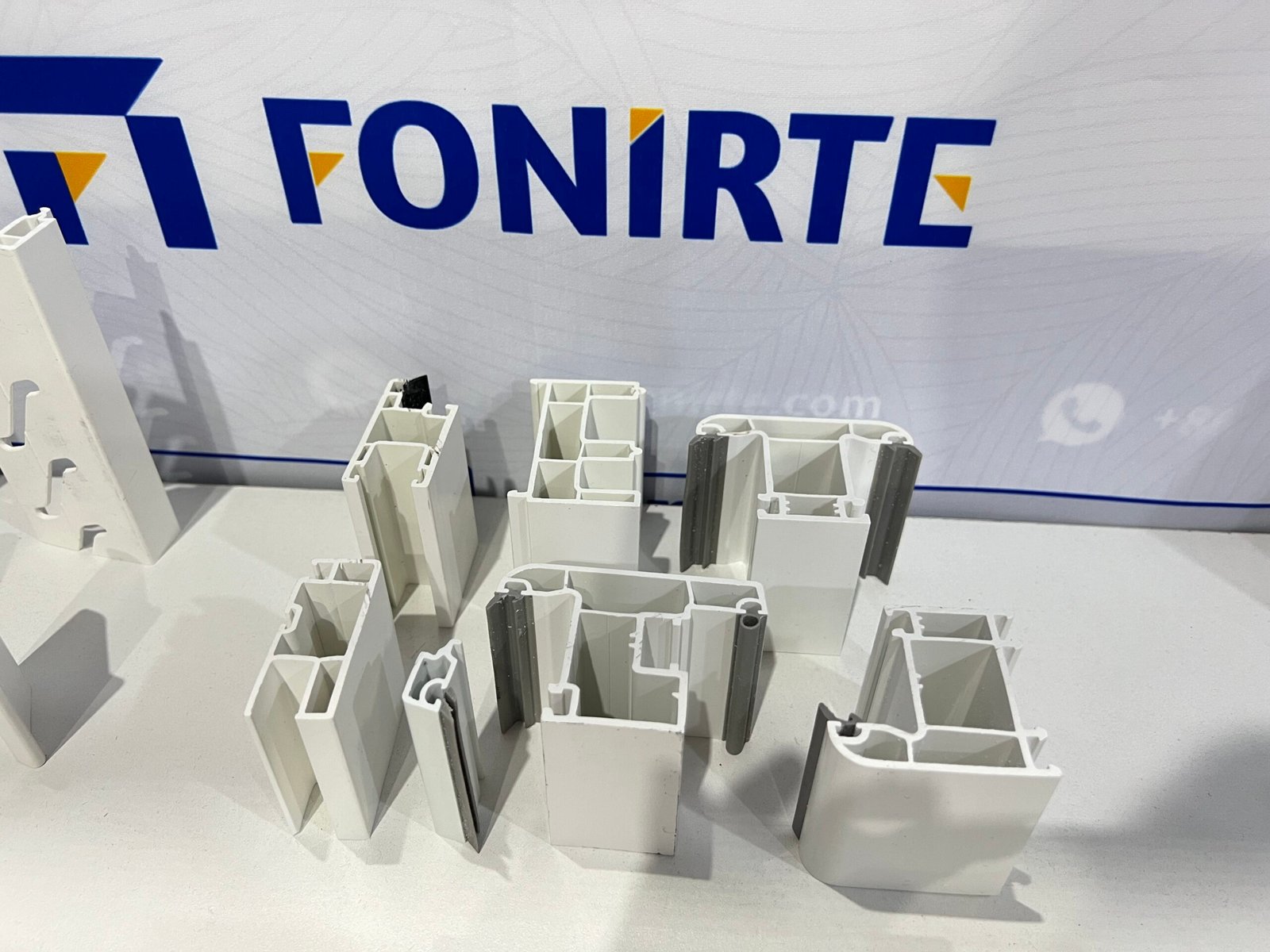
In the architecture of modern building materials, UPVC profiles stand as paragons of structural integrity, and at the heart of their mechanical excellence lies a critical property: flexural modulus. This fundamental characteristic defines how UPVC profiles resist deformation under load, ensuring precision performance in demanding applications.
📊 What Flexural Modulus Reveals
The flexural modulus of UPVC profiles measures their inherent stiffness—quantifying resistance to bending forces when subjected to stress. A higher modulus value indicates:
– Superior rigidity against deformation
– Enhanced dimensional stability under load
– Improved structural performance in window and door systems
– Better maintenance of geometric precision over time
This property transforms UPVC profiles into reliable structural components that maintain their shape and functionality even under significant pressure.
🧮 The Science Behind the Stiffness
The impressive flexural modulus of UPVC profiles (typically ranging from 2,500-3,200 MPa) results from sophisticated material engineering:
Molecular Architecture:
– Rigid polymer chains creating inherent stiffness
– Optimized molecular weight distribution enhancing load-bearing capacity
– Cross-linking mechanisms improving resistance to deformation
Material Composition:
– High-purity PVC compounds ensuring consistent performance
– Advanced reinforcement systems including specialized fillers
– Impact modifier integration without compromising stiffness
Why It Matters in Real-World Applications
The flexural modulus directly impacts performance in critical applications:
Window and Door Systems:
– Precision operation through maintained alignment
– Weather seal integrity ensuring energy efficiency
– Hardware compatibility providing smooth functionality
– Long-term reliability resisting sagging and deformation
Structural Applications:
– Load-bearing capacity in partition systems
– Dimensional stability in large-span installations
– Wind resistance performance in high-rise buildings
– Snow load resistance in extreme climates
⚖️ Balancing Rigidity with Other Properties
While high flexural modulus is crucial, UPVC profiles achieve an optimal balance:
✅ Impact resistance through strategic modifier incorporation
✅ Thermal stability maintaining performance across temperatures
✅ Processability allowing complex profile extrusions
✅ Weather resistance ensuring long-term durability
🔍 Quality Assurance and Testing
Rigorous testing protocols ensure UPVC profiles meet exacting standards:
– ISO 178 compliance for flexural properties determination
– Batch-to-batch consistency through statistical process control
– Long-term performance validation via accelerated aging tests
– Real-world simulation testing under various load conditions
🌟 Beyond Numbers: The Practical Benefits
The optimized flexural modulus of UPVC profiles delivers tangible advantages:
For Architects:
– Design freedom with confidence in material performance
– Structural predictability enabling innovative applications
– Aesthetic consistency through maintained appearance
For Builders:
– Installation precision with dimensionally stable components
– Reduced callbacks thanks to reliable long-term performance
– System compatibility** with various building materials
For End Users:
– Smooth operation of windows and doors for decades
– Energy efficiency through maintained seal integrity
– Peace of mind with proven structural reliability
From residential windows to commercial curtain walls, the carefully engineered flexural modulus of UPVC profiles ensures they meet the highest standards of performance and durability. This fundamental property makes them the material of choice for applications where precision, stability, and longevity are non-negotiable.
Discover how the science of stiffness in UPVC profiles creates buildings that stand the test of time—where every component maintains its perfect form, season after season. 🏢✨
Choose UPVC profiles—where engineering precision meets architectural excellence.