
12 9 月, 2025
🔩 The assembly of UPVC profiles into fully functional windows and doors relies heavily on one critical phase: hardware installation. Hinges, locks, and handles aren’t just accessories—they’re the components that bring UPVC windows to life, ensuring operation, security, and longevity.
🧰 The Core Principles of Hardware Mounting
When installing hardware on UPVC profiles, three principles are non-negotiable:
– 💪 Strength: All components must withstand daily use and external forces like wind load or attempted intrusion.
– 🎯 Precision Positioning: Even a few millimeters off can affect functionality, sealing, and aesthetics.
– 🔧 Serviceability: Hardware should be replaceable without damaging the UPVC profile.
⚙️ No Compromises on Fasteners
The connection between hardware and UPVC profiles is only as strong as the screw that holds it:
– 🚫 Avoid Wood Screws: Standard screws meant for wood lack the thread design and strength to grip properly in UPVC profiles or steel reinforcement.
– ✅ Use Self-Tapping Screws: M4 self-tapping screws are the industry standard. Their sharp tips and deep threads cut securely into the steel reinforcement without pre-drilling.
🧲 Attach to Steel, Not Just Plastic
This is the golden rule of hardware installation:
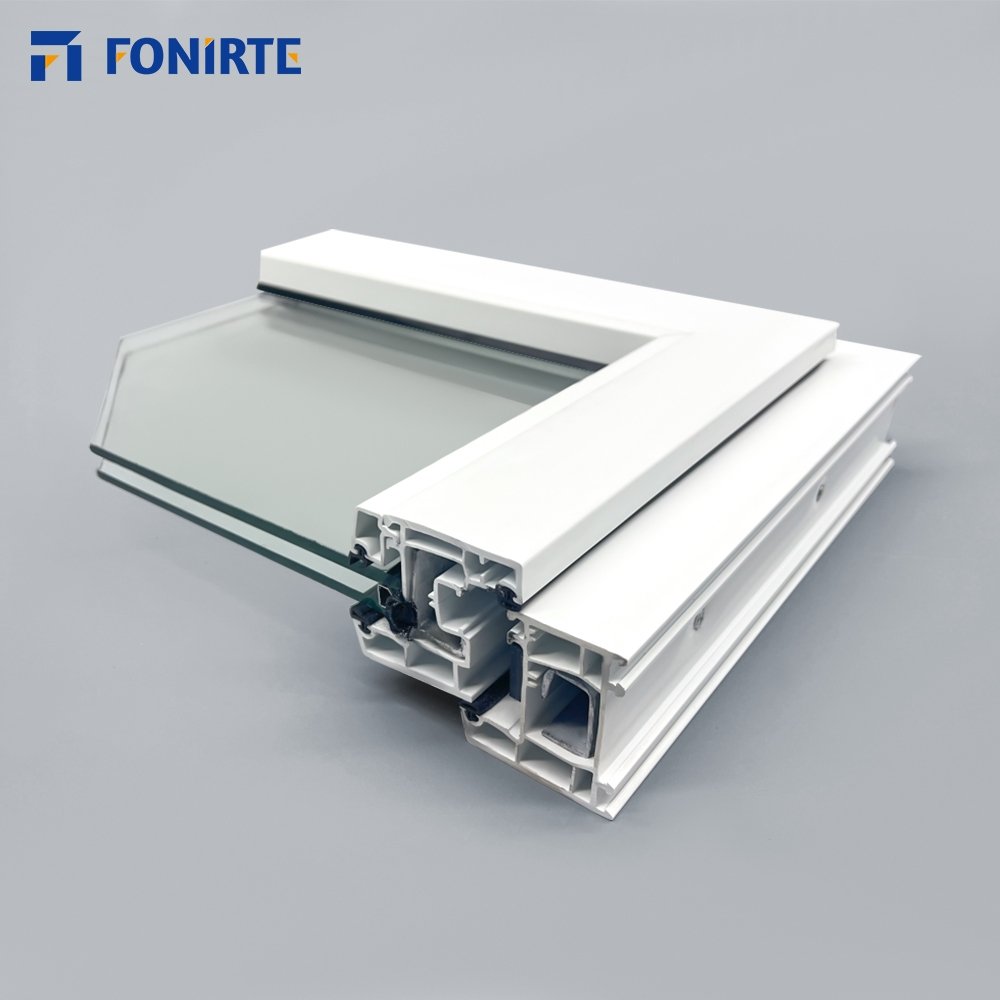
– 🔩 Always Anchor to Reinforcement: All hardware must be mounted directly into the galvanized steel reinforcement inside the UPVC profiles. This ensures loads are transferred to the structure, not the plastic.
– 📏 Follow Manufacturer Templates: Use brand-specific jigs or templates to ensure perfect positioning for screws and mechanisms.
🧩 Hardware Must Match Profile Performance
Not all hardware works with all UPVC profiles. Compatibility matters:
– ⚖️ Weight Rating: Handles and hinges must support the sash weight.
– 🌀 Functionality: Espagnolette locks must align perfectly with keepers on the frame.
– 🌧️ Weather Resistance: Hardware should be corrosion-resistant (e.g., stainless steel or coated zinc alloy) to match the durability of UPVC profiles.
🛠️ Step-by-Step Best Practices
1. 📐 Mark Positions Accurately: Use templates to mark screw holes based on the hardware type and UPVC profile series.
2. 🔍 Pre-Check Reinforcement: Verify the steel is present and correctly positioned behind the mounting point.
3. 📏 Drill Pilot Holes (if required): For some systems, a small pilot hole ensures screw alignment.
4. 🔩 Secure with Self-Tappers: Drive screws in straight—avoid over-tightening to prevent stripping.
5. 🧪 Test Before Finalizing: Operate the window or door to ensure smooth movement and correct alignment.
✅ Why It All Matters:
– Security: Properly installed multi-point locks resist forced entry.
– Durability: Load-bearing hinges mounted into steel won’t loosen over time.
– Weatherproofing: Correctly positioned hardware ensures compression seals work effectively.
– User Experience: Smooth operation and ergonomic use depend on precise installation.
🌟 Pro Tip:
Keep a hardware installation guide specific to your UPVC profile system on hand. Not all profiles have the same reinforcement layouts or screw access points.
Great windows aren’t just welded and sealed—they’re equipped. And with the right hardware, installed the right way, UPVC profiles become windows and doors that operate flawlessly, last for decades, and keep people safe and comfortable. 🏡✨