
31 8 月, 2026
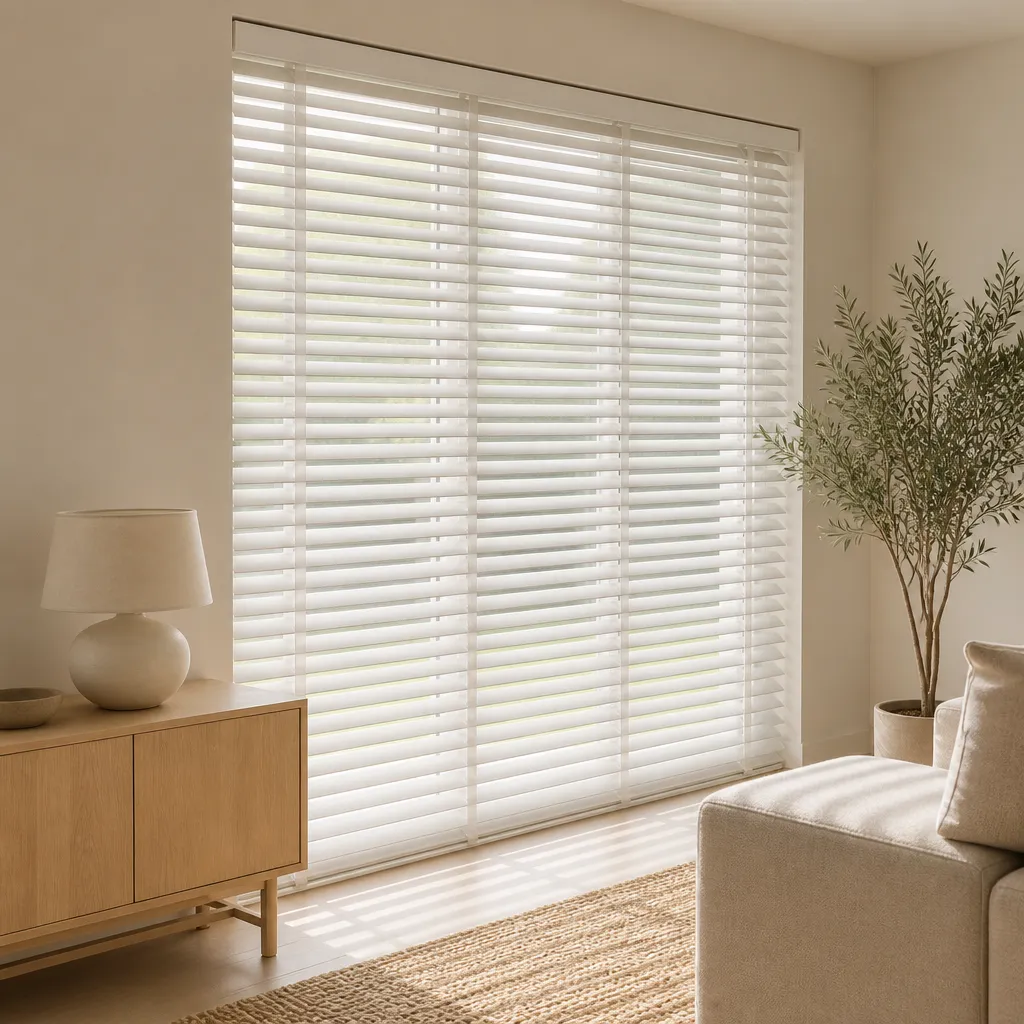
PVC ventilated blinds are window-covering solutions designed to combine light control, privacy, airflow adjustment and convenient daily cleaning. Compared with traditional fabric curtains or wood blinds, PVC blinds use adjustable slats to help control the amount of light and air entering a room.
They can be considered for bedrooms, studies, kitchens, bathrooms, balconies and other residential spaces. They are also suitable for selected commercial environments such as shops, offices and retail interiors.
If you are looking for a window covering that can help manage privacy and natural light while reducing routine cleaning work, PVC ventilated blinds may be a practical option. Actual performance depends on the product specification, installation method, window position and surrounding ventilation conditions.
Traditional curtains often require users to choose between opening and closing the entire curtain. This can make it difficult to balance privacy, natural light and ventilation at the same time. PVC ventilated blinds allow users to adjust the angle of each slat according to the room’s needs.
This flexible design is useful in spaces where light and airflow requirements change throughout the day.
PVC blinds generally have a smooth, easy-to-wipe surface, making them convenient for everyday use. In areas such as kitchens, bathrooms and balconies, PVC window coverings may be easier to clean than some fabric alternatives when exposed to occasional moisture or household dust.
However, PVC products can vary in formulation, surface treatment and weather performance. Before purchasing, confirm whether the selected product is suitable for the intended environment, especially if it will be exposed to high humidity, strong sunlight, coastal air or outdoor conditions. Technical documents and test information should be requested where necessary.
PVC ventilated blinds usually do not need to be removed for frequent washing. They also do not require routine waxing or repainting. For normal household cleaning, users can remove dust with a soft cloth or duster and wipe the slats with a well-wrung damp cloth when needed.
This low-maintenance feature can be useful for busy households, rental properties, offices and commercial spaces where simple upkeep is important. Avoid abrasive tools and strong cleaning chemicals that may damage the surface, and always follow the manufacturer’s care instructions.
The clean lines of PVC louver blinds can work with a range of popular interior styles, including modern, Scandinavian, natural wood-inspired, minimalist and contemporary commercial design.
By selecting a suitable color, slat width and installation method, the blinds can be coordinated with walls, flooring, furniture and window frames. Using the same slat style across several rooms can also create a more consistent appearance throughout a property.
If the blinds will be installed outdoors, in a semi-outdoor area or in a location with long-term sun exposure, confirm weather suitability, color stability, hardware performance and installation requirements before ordering. Material names alone are not enough to determine outdoor performance.
This comparison is intended as a general guide. The final performance depends on product quality, installation workmanship and the actual application environment.
Bedrooms, living rooms, kitchens, bathrooms and commercial interiors have different requirements for light control, privacy, cleaning and durability. Before selecting a product, define the installation location, window size, frequency of use and environmental conditions.
Slat width, slat length, arrangement, headrail design and mounting accessories can affect both appearance and operation. For custom or bulk projects, provide accurate window-opening dimensions and an installation drawing to reduce adjustment work later.
Ask the supplier to confirm the following information:
The total cost of PVC blinds may include accessories, packaging, shipping, installation and future maintenance. For residential projects, consider operating convenience and visual coordination. For commercial or bulk projects, also evaluate production capacity, dimensional consistency, lead time and after-sales support.
For blinds installed in special environments, follow the maintenance instructions supplied by the manufacturer.
They can help regulate airflow when the window is open because the slat angle can be adjusted. The actual ventilation effect also depends on the window opening, indoor and outdoor airflow, room layout and installation position.
They can be considered for kitchens and bathrooms when the product specification is suitable for those environments. Confirm the moisture-related performance, cleaning method and hardware requirements before purchasing.
They are generally suitable for routine dusting and wiping with a soft cloth or a well-wrung damp cloth. Always follow the manufacturer’s cleaning recommendations and avoid products that may damage the surface.
They can be used in shops, offices, meeting rooms, retail units and other commercial interiors where light control, privacy and simple maintenance are required. For bulk projects, confirm dimensional consistency, lead time and the installation plan.
Outdoor suitability must be confirmed according to the specific PVC formulation, surface treatment, hardware and local climate conditions. For outdoor projects, request weather-performance information before placing an order instead of relying on the product name alone.
Start by removing dust with a soft tool, then wipe the slats with a well-wrung damp cloth. Keep the slats dry after cleaning and avoid abrasive or highly corrosive cleaning products.
PVC ventilated blinds combine adjustable slats, light control, privacy support and convenient routine cleaning in one window-covering solution. They can meet the needs of modern homes and selected commercial interiors, especially where users want a clean appearance, flexible light adjustment and lower day-to-day maintenance.
Before ordering, evaluate the installation environment, window dimensions, color requirements and operating conditions. Confirm the PVC material, slat specification, hardware and available technical information with the supplier. Choosing a supplier that provides clear specifications, consistent quality and project support can help ensure a more suitable long-term window-covering solution.