
15 9 月, 2025
When it comes to UPVC doors and windows, quality isn’t just a feature—it’s a necessity. As a leading material in modern construction, UPVC profiles offer durability, energy efficiency, and aesthetic appeal. But the real magic happens during assembly and inspection. Here’s a deep dive into the critical quality checks that ensure perfection.
#### 🔍 1. Visual Inspection: The First Impression
The surface of UPVC doors and windows must be smooth, glossy, and uniform in color. Any bubbles, cracks, welds with uneven textures, or visible impurities are red flags. These defects not only compromise aesthetics but also hint at deeper issues in material quality or production processes. Remember, flawless visuals reflect superior UPVC profiles.
#### 📏 2. Dimensional Accuracy: Precision Matters
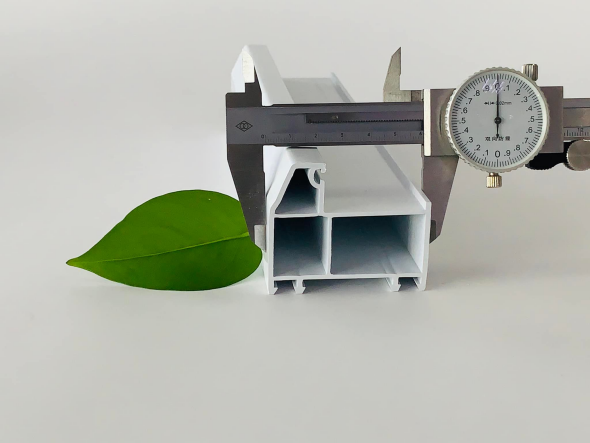
Every component must adhere to strict national industry standards. Deviations in size can lead to installation failures, poor sealing, or reduced thermal performance. High-quality UPVC profiles are engineered for consistency, ensuring perfect fits and long-term reliability.
#### 🧩 3. Sealing Strip Assembly: The Guardian of Comfort
Sealing strips must be evenly installed with tight joints and zero dislodgment. This ensures excellent air and water tightness, enhancing energy efficiency. Well-assembled seals are a testament to the flexibility and resilience of UPVC profiles.
#### 🔧 4. Press Strip Installation: Strength in Details
Press strips should be firmly fixed with gap limits under 1mm at corners. Using two strips on one side is prohibited—a rule that prevents structural weaknesses. This step highlights the importance of precision in handling UPVC profiles.
#### 🛠 5. Hardware Fitting: Where Function Meets Form
Hinges, locks, and handles must be correctly positioned, securely installed, and fully functional. Faulty hardware can undermine even the best UPVC profiles. Quality here ensures smooth operation and user satisfaction.
#### 💥 6. Welding Strength: The Backbone of Durability
Regular tests are mandatory for welding strength:
– Casement windows: frame ≥ 2000N, sash ≥ 2500N
– Sliding windows: frame ≥ 2500N, sash ≥ 1400N
Any failure demands immediate investigation. Strong welds are non-negotiable for UPVC profiles to withstand daily stress and environmental challenges.
#### 🌐 7. Mechanical and Physical Tests: Beyond the Basics
Rigorous lab simulations—like wind pressure resistance, water tightness, and acoustic performance—validate real-world readiness. These tests ensure that UPVC profiles meet architectural demands for safety, comfort, and sustainability.
### Why UPVC Profiles? 🌟
UPVC profiles are the heart of high-performance doors and windows. Their innate properties—corrosion resistance, thermal insulation, and low maintenance—make them ideal for modern buildings. But without stringent quality control, even the best materials can fall short.
From production to installation, every step matters. Embrace these inspections to deliver products that stand the test of time. Because excellence isn’t an accident—it’s a standard.
#UPVC Profiles #Quality Control #Doors And Windows #Building Materials #Construction Tech #Sustainable Design